

Polished concrete floors are widely used in both homes and commercial buildings because of their durability, modern appearance, and low maintenance needs. However, while the installation process is similar, residential and commercial polished concrete floor projects often have different design priorities and performance requirements.
Residential polished concrete floors focus on design and comfort, while commercial polished concrete floors prioritise durability, safety, and long-term performance under heavy use.
What Are Residential Polished Concrete Floors?
These floors are typically designed to balance durability with comfort and visual appeal. Homeowners often choose a polished concrete floor to create a seamless, contemporary finish that works with modern interior design.
Design Priorities in Homes
In residential spaces, polished concrete floors are often customised for:
- Kitchens and open-plan living areas
- Hallways and entrance spaces
- Extensions and renovation projects
Homeowners often select satin or matt finishes for a softer look. Additionally, this floor type works extremely well with underfloor heating systems.
What Are Commercial Polished Concrete Floors?
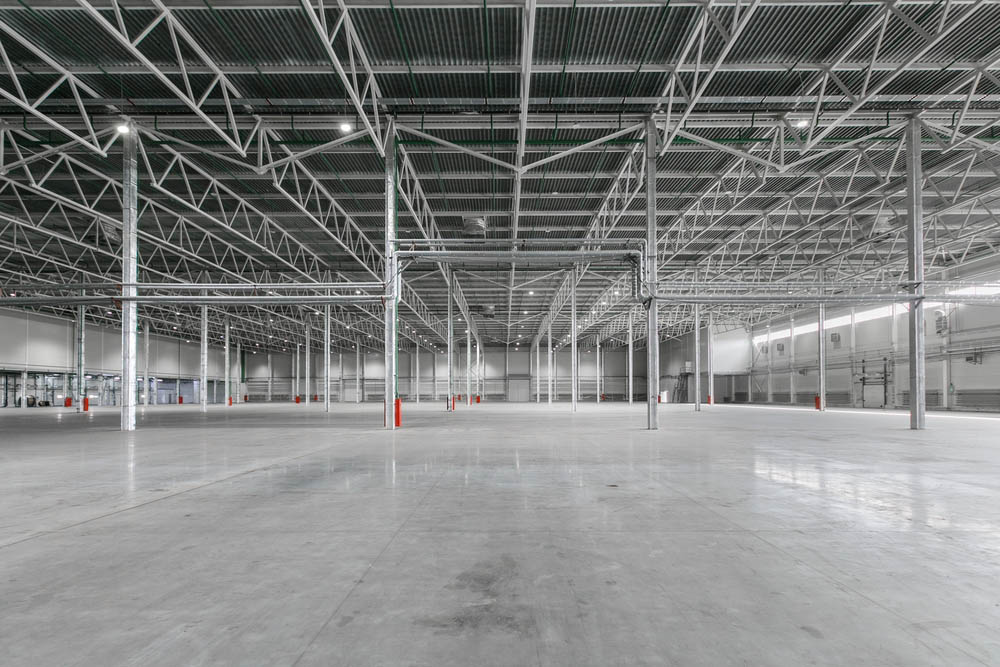
Commercial polished concrete floors are designed to perform in high-traffic environments where durability and safety are critical. Businesses often choose polished concrete because it delivers long-term reliability.
Performance Priorities in Commercial Settings
Commercial polished concrete floors are commonly installed in:
- Retail stores and showrooms
- Offices and reception areas
- Warehouses and industrial spaces
- Education and public buildings
In these environments, higher gloss levels may be used to improve light reflectivity and reduce lighting demand.
Key Differences Between Residential and Commercial Polished Concrete Floor Installations
Durability Requirements
Residential concrete floors handle normal household traffic. Commercial floor installations must withstand constant footfall and equipment movement.
Finish and Appearance
Homes often prioritise aesthetics and comfort underfoot. Commercial spaces focus more on performance, slip resistance, and long-term wear resistance.
Maintenance Expectations
Both residential and commercial concrete floors require low maintenance. However, commercial environments may require more frequent cleaning schedules.
Choosing the Right Polished Concrete Floor for Your Project
Choosing the right floor specification depends on how the space will be used. Residential spaces often focus on design integration, while commercial projects prioritise long-term operational performance.
Professional specification ensures your concrete floor is designed for your specific environment. This prevents unnecessary wear and ensures maximum lifespan.
Why Work with Midland Polished Concrete?
At Midland Polished Concrete, we install concrete floors across both residential and commercial sectors. Our experience allows us to recommend finishes and systems suited to real-world usage, not just appearance.
We work closely with homeowners, designers, and commercial clients to ensure every floor performs exactly as expected.
Residential vs Commercial Polished Concrete Floors FAQs
Are polished concrete floors suitable for homes?
Yes, they are ideal for modern residential interiors.
Do commercial concrete floors last longer?
They are designed for heavier use and long-term durability.
Is this type of floor slippery?
No, slip resistance can be built into the finish.
Do both types work with underfloor heating?
Yes, polished concrete works very well with underfloor heating.
Do residential and commercial floors use different materials?
The core material is similar, but specifications differ.